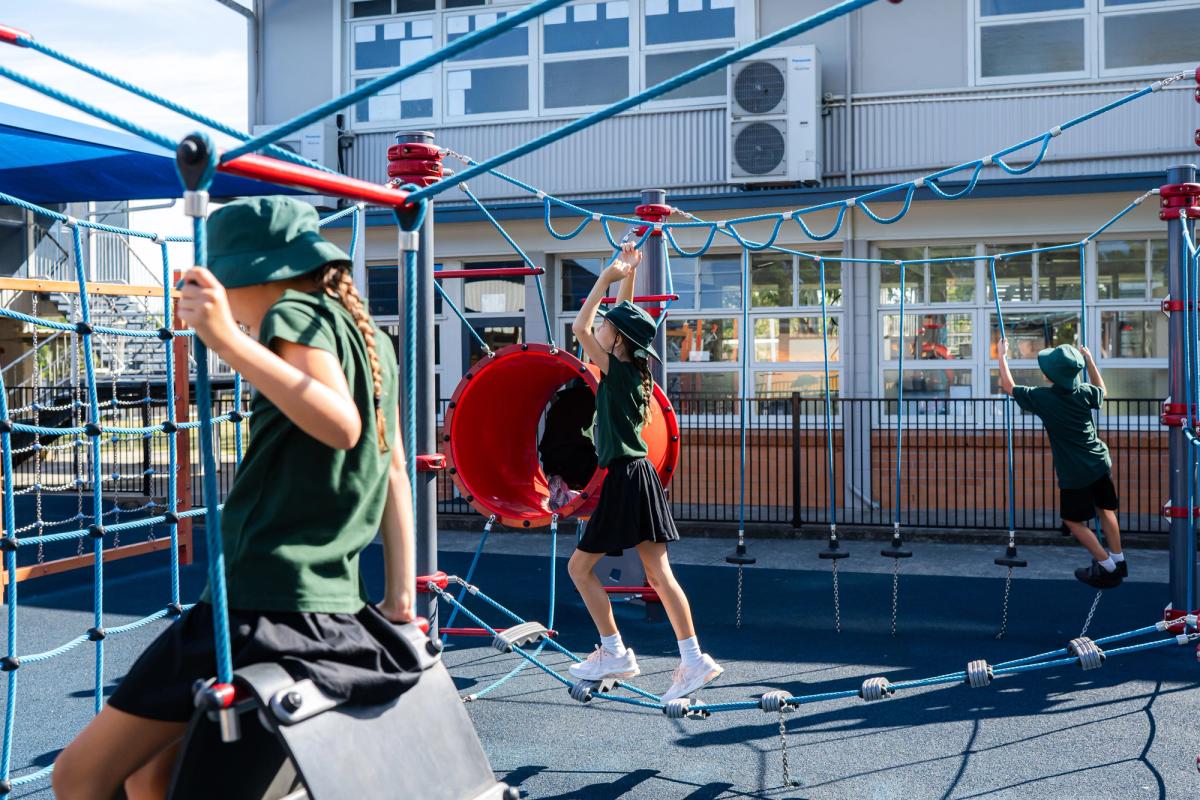
Playgrounds rarely fail overnight. Small issues over time start to change how the space functions. Faded paint, worn surfaces, loose fixtures, and minor damage can create the impression that a playground is no longer safe or suitable for use.
For school leaders, council asset managers, and facility teams, this raises the question: is it time to replace the playground entirely, or can it be restored through playground maintenance?
At Play Force, we see this all the time. Visible wear does not always mean a playground is unsafe or beyond saving. With a proper assessment, many spaces can be improved through repairs and returned to safe, engaging spaces.
Why Replacement is Often the Default Response
Organisations often assume a full playground replacement is the safest option. With concerns around liability and user safety, this pushes decision makers toward removing the equipment - rather than investigating its condition more closely.
This is due to a lack of clear guidance at the early stages of wear. Without input from experienced playground repair companies like Play Force, minor issues can be mistaken for major failures.
While replacement has its place, it is not always necessary. The right decision starts with understanding what can be repaired.
How Professionals Assess Whether Playground Repair is Viable
A structured playground inspection is key. It looks beyond surface issues and focuses on how the playground performs as a whole.
Core structure and stability
The core structure is assessed first. Posts, frames, fixtures, and foundations are checked for stability. If these elements are sound, the playground is often well suited to playground repair rather than replacement.
Compliance and safety standards
Equipment is reviewed against current Australian Standards. Many compliance issues can be resolved through upgrades or component replacement. Full removal is often not required.
Surface condition and impact performance
Surfaces are critical to safety. Worn or displaced materials can increase risk, even when equipment is stable. Targeted softfall repair or rubber playground surface repair can restore safe fall zones and improve impact performance.
Common Playground Repairs that Extend Asset Life
Many concerns can be resolved through practical, targeted playground repair.
- Replacement of worn or broken components
- Surface remediation and drainage correction
- Rust treatment and protective coatings
- Tightening, adjustment, and stabilisation of fixings
- Refurbishment of high wear access points
Surface remediation improves drainage and corrects uneven areas to extend the life of the playground and improve daily usability.
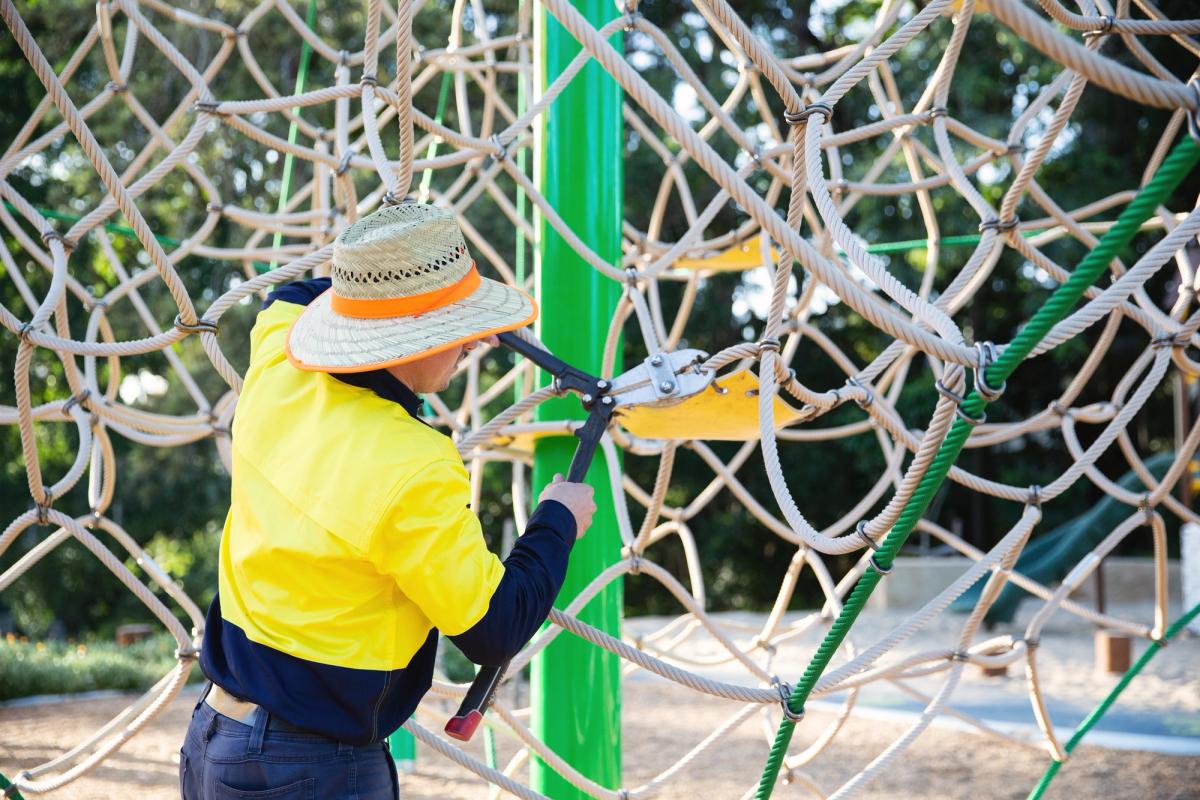
"Many concerns can be resolved through practical, targeted playground repair."
Choosing the Right Playground Repair Company
Not all providers approach repairs in the same way. The right playground repair company will prioritise inspection first to understand the condition of the equipment before recommending a course of action.
Look for teams that:
- Base recommendations on assessments
- Provide clear, documented findings
- Focus on long term outcomes rather than quick fixes
- Understand how to balance safety with play value
In your search for playground repair near me, experience matters. Look for a team that has worked across schools, councils, and community spaces.
Making Informed Decisions about Your Playground
Before committing to replacement, consider what targeted playground repair can achieve. In many cases, it delivers the same outcome with less cost and disruption. To learn more about how inspections inform repair decisions, contact Play Force or view our past refurbishment projects to see how existing playgrounds have been restored to safe, engaging spaces.