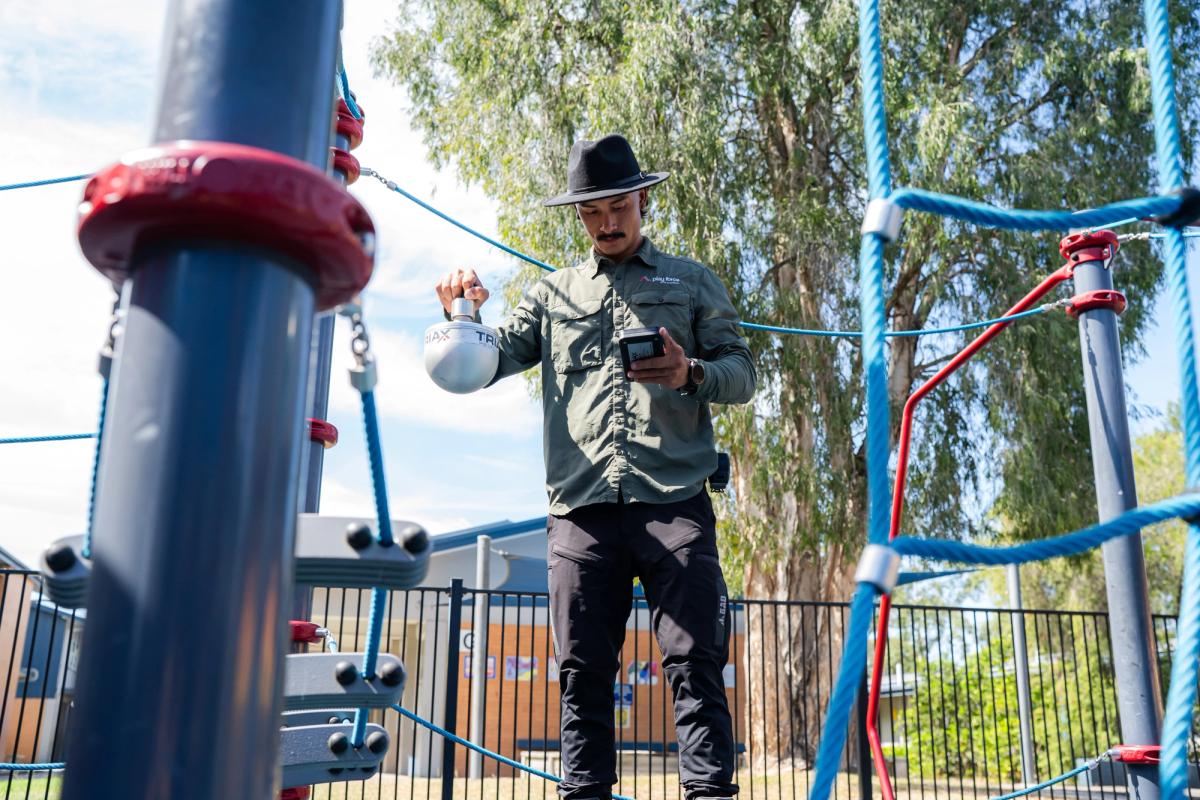
Playgrounds are designed to challenge and support development. The experiences of climbing, balancing, and moving through space help children build confidence and capacity. With this in mind, the goal of playground inspections is to keep those experiences appropriate and free from hidden risk.
At Play Force, a well-maintained space means it supports exploration while managing risk. With a clear playground safety checklist, teams have a practical way to monitor conditions and act early.
Why a Playground Safety Checklist Matters
A playground safety checklist makes it easier to identify issues early and ensure nothing is missed. Rather than being a compliance task, it supports practical decision making. Staff can quickly check key areas, flag concerns, and understand when further action is required.
For schools and councils managing busy play spaces, this shared approach to safety maintains a strong focus on usability and play value.
Common Indicators of Playground Safety Issues
Not all safety issues are immediately obvious. Many develop slowly over time, so regular observation is key to maintaining playground safety.
Wear and Tear that Develops Gradually
High use areas wear over time. Because changes like platform wear, fixings loosening, and shifting surfaces happen gradually, they are easy to miss. Playground safety often comes down to recognising small issues early.
Environmental and Weather-Related Risks
Outdoor conditions impact playground safety every day. Sun, rain, and temperature changes all affect how materials perform.
UV exposure can also weaken components, while moisture can lead to corrosion or ground movement. Poor drainage can also impact surface performance and fall zones.
Loose Components and Moving Parts
Moving elements need regular checks. Swings, chains, and connectors wear with use.
If not maintained, they affect how equipment feels and performs. Routine checks and playground maintenance supports ongoing safety and reliable operation.
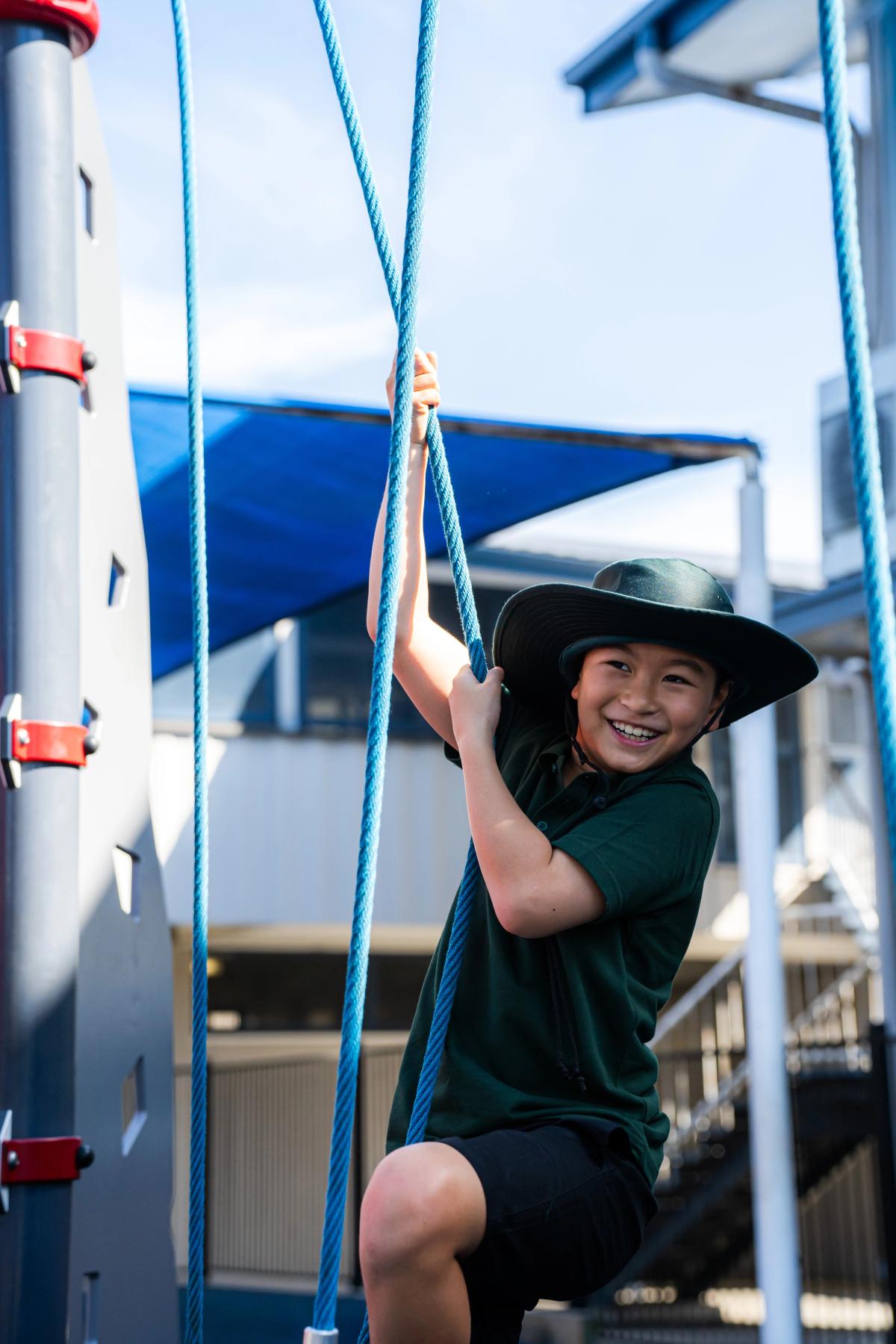
"At Play Force, a well-maintained space means it supports exploration while managing risk."
Outdoor Playground Safety Checklist Essentials
An effective outdoor playground safety checklist focuses on the areas that matter most.
- Surface condition and fall zones
- Stability and fixings
- Entrapment and protrusion risks
- Moving equipment operation
- Clear access and visibility
If any of these areas raise concern, it is important to escalate the issue and seek further assessment.
Understanding Playground Safety Requirements
Playground safety requirements are designed to guide how equipment performs, not restrict how children play.
In practice, this means balancing safety with usability. Equipment should remain challenging and engaging, allowing children to negotiate risk, while remaining free from hidden hazards or defects that lead to preventable injury.
This balance helps avoid unnecessary removal while still maintaining safe environments.
Keeping Playgrounds Safe and Ready for Use
A checklist supports early action, improves consistency, and helps teams stay on top of maintenance needs.
When combined with professional inspections and ongoing care, it becomes part of a reliable system. If you would like support with inspections or ongoing maintenance, contact Play Force to discuss how we can help.